Conquer Piegan Pass: A Strenuous Glacier NP Hike with Epic Rewards
Embarking on a journey to
Piegan Pass in Glacier National Park is not merely a hike; it's an immersive experience into the heart of one of America's most spectacular wilderness areas. Known for its challenging ascent and unparalleled panoramic vistas, this trail promises an unforgettable adventure for prepared hikers. If you're seeking to push your limits and be rewarded with some of the most breathtaking scenery Glacier National Park has to offer, the Piegan Pass trail is undoubtedly a top contender. It’s a classic Glacier NP hike that truly delivers on its promise of epic rewards.
The Challenge and The Reward: What Makes Piegan Pass Strenuous?
The trail to Piegan Pass is officially rated a 12.90 on the difficulty scale, firmly placing it in the "strenuous" category. But what exactly makes this hike so demanding, and why are thousands drawn to its challenge each year? Let's break down the metrics from the popular Siyeh Bend Trailhead:
- Roundtrip Length: 9.2 Miles
- Total Elevation Gain: 1850 Feet
- Average Elevation Gain per Mile: 402 Feet
- Highest Elevation: 7600 Feet
These numbers paint a clear picture: you'll be gaining significant elevation over a substantial distance. The average elevation gain per mile is particularly telling, indicating a sustained climb rather than short, steep bursts. While the early sections through the forest offer a more gradual incline, the final approach to the pass involves a steady, exposed ascent across talus and scree slopes. This means hikers need not only physical endurance but also mental fortitude and a good head for heights.
However, every challenging step on the hike to
Piegan Pass in Glacier National Park is met with a growing sense of anticipation, knowing that the reward awaiting you at the top is truly magnificent. The strenuous nature of the climb only amplifies the feeling of accomplishment as you stand amidst jagged peaks, overlooking ancient glaciers and vast valleys.
Navigating the Trail: Your Journey to Piegan Pass
Your adventure to Piegan Pass typically begins from the scenic Going-to-the-Sun Road, a marvel of engineering itself. Choosing the right starting point is crucial for an optimal hiking experience.
Starting Point: Siyeh Bend Trailhead
The most recommended and popular starting point for the
Piegan Pass in Glacier National Park hike is the
Siyeh Bend Trailhead. Located approximately 2.2 miles east of Logan Pass on the iconic Going-to-the-Sun Road, this trailhead offers a more gradual and manageable ascent compared to the alternative. While hikers could opt for the Piegan Pass Trailhead from the Jackson Glacier Overlook, this adds both extra distance and several hundred more feet of climbing, making the Siyeh Bend start significantly more appealing for most.
Parking at Siyeh Bend can fill up quickly, especially during peak season (July and August). Arriving early in the morning is highly advisable to secure a spot and enjoy the trail before the crowds. Remember that the Going-to-the-Sun Road itself is subject to seasonal closures, typically opening fully in late June or early July and closing in October, so plan your trip accordingly.
Through Forest to Alpine Splendor
The initial segment of the hike from Siyeh Bend offers a gentle introduction, traversing alongside Siyeh Creek for about two hundred yards before veering sharply into a dense spruce-fir forest. This shaded section provides a cool respite, especially on warmer days, and allows your legs to warm up.
Around 1.1 miles into your journey, you'll encounter the first significant trail junction. A turn to the right here would lead you down towards the Jackson Glacier Overlook. To continue your ascent towards
Piegan Pass in Glacier National Park, make a definite
left turn.
As you progress, the forest begins to thin, giving way to more open landscapes. Nearly 2.7 miles from the trailhead, you'll reach another important junction – the Siyeh Pass Trail junction. While turning right would lead you towards Preston Park and eventually up to Siyeh Pass (a fantastic, albeit longer, alternative or combined hike), your path to Piegan Pass requires you to proceed
left.
At approximately the 3-mile mark, a dramatic transformation occurs: the Piegan Pass Trail finally emerges above the treeline. Here, the landscape opens up onto the dramatic talus-scree slopes of 10,014-foot Mount Siyeh. This is where the truly epic views begin to unfold, setting the stage for the grandeur that awaits.
A Symphony of Vistas: Unforgettable Views from Piegan Pass
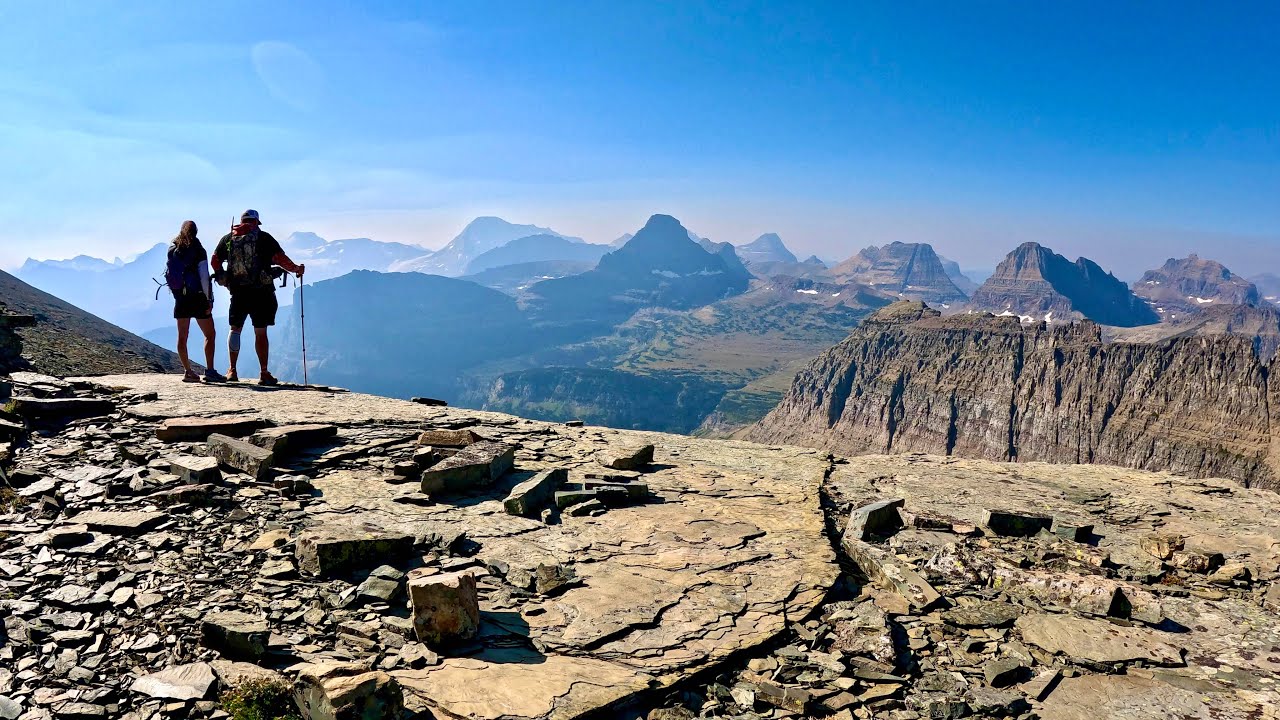
As you ascend above the treeline, the landscape unfurls in a breathtaking panorama, revealing the true majesty of
Glacier National Park. To the south, across the vast valley, you'll be treated to absolutely grand views of Jackson Glacier and Blackfoot Glacier, the latter being the largest glacier within the park's boundaries. Almost directly west, Piegan Glacier clings precariously below the summit of 9220-foot Piegan Mountain, a constant reminder of the park's glacial heritage.
The trail itself, a clearly defined line, continues its gradual but steady ascent towards your destination, the saddle between Piegan Mountain and Cataract Mountain. Reaching this saddle, the official Piegan Pass, at roughly 4.5 miles from the trailhead, is a momentous achievement.
However, for perhaps the most exquisite views along the entire route – a truly essential tip for any hiker – continue for just another tenth of a mile or so beyond the pass. By walking this short distance, you'll discover unparalleled vistas of iconic formations like Angel Wing, Bishops Cap, and Mount Gould, majestically aligned along the famed Garden Wall. From this vantage point, your gaze will plunge deep into the expansive Many Glacier Valley, offering a perspective that few other trails can match. The entire Piegan Pass area is a cornucopia of spectacular scenery, easily cementing its reputation as one of the very best hikes in Glacier National Park. If you're looking for the absolute best vantage points, you might find more detailed descriptions in our article,
Piegan Pass Hike: Best Panoramic Views in Glacier National Park.
Beyond the Scenery: Wildlife Encounters and Trail Wisdom
While the views are undoubtedly the main draw, the trail to Piegan Pass also offers fantastic opportunities for wildlife observation, adding another layer of magic to your adventure.
Wildlife Watch
The alpine environment around Piegan Pass is a haven for certain species. Hikers should keep a keen eye out for the elusive
ptarmigan, masters of camouflage, and the always-impressive
mountain goats, known to frequent the rocky slopes and meadows near the pass. Their graceful movements on seemingly impossible terrain are a sight to behold.
It's also crucial to remember that Glacier National Park is prime grizzly and black bear country. Always carry bear spray, know how to use it, and make noise while hiking, especially in forested sections. Proper food storage and responsible trail etiquette are paramount for both your safety and the well-being of the park's wildlife. For more insights into the diverse ecosystem and what you might encounter, our article
Explore Piegan Pass Trail: Glaciers, Wildlife & Mountain Vistas offers a deeper dive into the natural wonders of the trail.
Essential Hiking Tips for Piegan Pass
To ensure a safe and enjoyable experience on your
Piegan Pass in Glacier National Park hike, consider these vital tips:
- Best Time to Hike: Aim for late July through September. The Going-to-the-Sun Road typically opens fully by mid-July, and this window offers the most stable weather and snow-free conditions.
- Weather Preparedness: Mountain weather can change rapidly. Always pack layers, including a waterproof and windproof jacket, even on a sunny day.
- Water and Snacks: Carry ample water (at least 2-3 liters per person) and high-energy snacks. There are no reliable water sources along the upper trail.
- Sun Protection: Above the treeline, you are completely exposed. Bring sunscreen, a hat, and sunglasses.
- Footwear: Sturdy hiking boots with good ankle support are essential for navigating the varied terrain, especially the rocky sections.
- Leave No Trace: Pack out everything you pack in. Stay on designated trails to protect fragile alpine vegetation.
- Physical Preparation: Given the strenuous nature, ensure you are in good physical condition before attempting this hike. Regular cardiovascular exercise and strength training will make the experience far more enjoyable.
Conclusion
The hike to
Piegan Pass in Glacier National Park is a quintessential Glacier experience, perfectly balancing challenge with unparalleled natural beauty. From the gradual ascent through lush forests to the dramatic emergence above the treeline, culminating in awe-inspiring panoramic views of glaciers, towering peaks, and distant valleys, every step is a testament to the park's raw power and pristine grandeur. While the 9.2-mile, 1850-foot elevation gain earns its "strenuous" rating, the rewards are immeasurable – a profound sense of accomplishment, unforgettable vistas, and the chance to witness Glacier's wild heart up close. Prepare well, respect the wilderness, and embark on this incredible journey; Piegan Pass awaits to redefine your definition of epic.